

Sun Protection Post-Rhinoplasty: Shielding Sensitive Skin
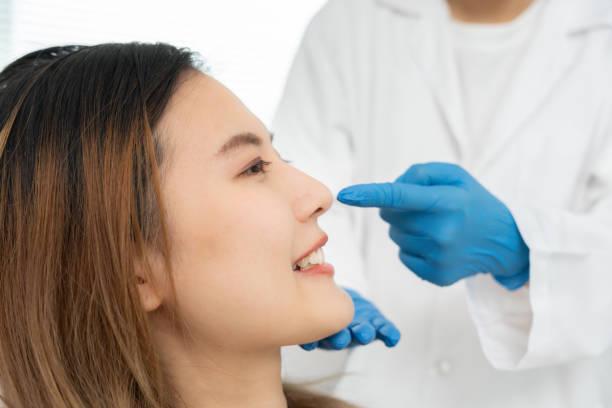
Protecting your skin after rhinoplasty is crucial for optimal healing and stunning results. rhinoplasty surgery in riyadh Sun exposure can lead to pigmentation, scarring, and delayed recovery, turning your dream nose into a concern.
In Riyadh's intense sunlight, rhinoplasty in Riyadh demands extra vigilance during the vulnerable post-op phase. This guide dives into why UV rays pose risks, practical shielding strategies, and tips to maintain your new look while enjoying the city's vibrant outdoor life. Whether you're strolling through Kingdom Centre or relaxing in a desert oasis, these insights ensure your recovery stays on track.
Why Sun Protection Matters After Rhinoplasty
Your nose skin becomes ultra-sensitive post-surgery due to incisions and inflammation. UV rays trigger melanin production, causing dark spots or hyperpigmentation that can linger for months.
Without protection, healing tissue risks uneven tone and thickened scars. Studies show UV exposure delays collagen remodeling, prolonging swelling—imagine trading a sleek profile for patchy discoloration just when results emerge.
Riyadh's year-round sun amplifies this; peak hours from 10 AM to 4 PM demand proactive defense to preserve surgical precision.
Rhinoplasty Skin Changes Explained
Surgery thins the nasal skin temporarily, exposing it to environmental stressors. Bruising fades into yellow-green hues, but sun can oxidize them into stubborn brown marks.
Newly formed tissue lacks melanin protection, making it prone to burns even on cloudy days. Rhinoplasty in Riyadh patients face extra challenges from reflective sand and urban heat, heightening burn risks by 30% during recovery.
Engage your skin's repair mode by prioritizing shade—think of it as armor for your investment in facial harmony.
Best Sun Protection Timeline
Week 1-2: Strict no-sun policy. Stay indoors or fully covered; even brief exposure inflames incisions.
Week 3-6: Introduce mineral sunscreens once scabs heal. Reapply every 2 hours, focusing on the nose bridge and tip.
Month 2+: Gradually resume outdoors with SPF 50+, broad-spectrum formulas. Riyadh's dry air dehydrates, so layer with hydrating mists for all-day defense.
This phased approach minimizes setbacks, letting you flaunt your refined profile confidently.
Top Sunscreen Picks for Healing Skin
Opt for physical blockers like zinc oxide or titanium dioxide—they sit on skin without irritating surgical sites. Avoid chemical filters that absorb UV and generate heat.
Fragrance-free, non-comedogenic options prevent clogged pores around the nose. Favorites include tinted mineral SPFs for camouflage over bruises, blending protection with subtle coverage.
Apply a nickel-sized amount to face and neck; pat gently on the nose to avoid pressure.
Hats, Shades, and Accessories
Wide-brimmed hats cast shadows over 70% of facial UV, essential for Riyadh's glare. Choose UPF 50+ fabrics that breathe in humidity.
Oversized sunglasses shield the under-eye area, reducing squinting that strains nasal tissues. Pair with scarves for multi-layer defense during souks or park visits.
These accessories make sun-smart style effortless, turning recovery into a fashionable adventure.
Daily Habits for Lasting Results
Incorporate antioxidant serums pre-sunscreen to neutralize free radicals. Hydrate internally—2-3 liters daily counters desert dehydration.
Avoid peak sun; schedule walks for dawn or dusk. Track progress with photos to spot issues early, ensuring your rhinoplasty in Riyadh transformation endures.
Indoor Sun Risks and Solutions
Windows filter UVB but let UVA through, aging skin silently. Use sheer curtains or UV films for home offices.
Blue light from screens mimics sun damage—apply SPF even inside. Riyadh's air-conditioned spaces dry skin further, so mist hourly.
These tweaks protect without lifestyle upheaval.
Common Mistakes to Dodge
Skipping reapplication after sweating or swimming—Riyadh heat melts SPF fast. Don't rely on makeup alone; it degrades under UV.
Overlooking ears and neck prolongs uneven healing. Touching the nose mid-day transfers oils, weakening barriers.
Steer clear for flawless, scar-free skin.
Ready to safeguard your results? Book an appointment consultation clinic like Enfield Royal Riyadh for personalized post-op advice.
FAQs
What SPF is safe right after rhinoplasty?
Start with SPF 30 mineral-based after week 2, ramping to 50+ by month 1 for Riyadh's intense rays.
Can I use self-tanner during recovery?
Avoid until 3 months post-op; chemicals irritate healing skin and risk uneven pigmentation on the nose.
How does sun affect rhinoplasty scars?
UV thickens and discolors scars, delaying fade-out—shield with hats and SPF for smooth integration.
Is vitamin D supplementation needed if avoiding sun?
Yes, 1000-2000 IU daily supports bone healing without UV risks, ideal for indoor recovery phases.
What's the best time for outdoor activities post-rhinoplasty?
Dawn or after sunset minimizes exposure; always layer SPF and hats for safe Riyadh exploration.
 Turkish
 English
 Arabic
 French
 Spanish
 Portuguese
 Deutsch
 Dutch
Dutch
 Italiano
 Russian
 Romaian
 Portuguese (Brazil)
 Greek
Greek