


Alzheimer’s Disease Diagnostic Market Forecast to Reach New Heights by 2032
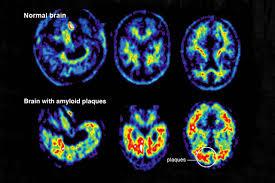
Alzheimer’s Disease Diagnostic Market Size – Industry Structure Evaluation, Demand Drivers Analysis, Regional Growth Analysis, Competitive Positioning Review & Global Forecast to 2032
Market Overview
The global Alzheimer’s Disease Diagnostic Market was valued at US$ 3.91 billion in 2024 and is projected to reach nearly US$ 10.25 billion by 2032, expanding at a CAGR of 12.8% during the forecast period from 2025 to 2032. The rapid rise in the aging population, increasing incidence of dementia, and the growing need for early-stage diagnosis are creating substantial growth opportunities across the industry.
Alzheimer’s disease is the most common form of dementia and is characterized by progressive deterioration in memory, reasoning, language, and behavior. As the disease advances, patients gradually lose the ability to communicate and perform everyday activities. Since there is currently no definitive cure, the market is increasingly focused on accurate and early diagnosis to slow disease progression and improve patient outcomes.
The expansion of biomarker-based testing, advanced neuroimaging, and supportive regulatory approvals for innovative diagnostic tools are reshaping the competitive landscape of the market.
♦ Request a Free Sample Copy or View Report Summary:https://www.maximizemarketresearch.com/request-sample/116921/
Industry Structure Evaluation
The Alzheimer’s disease diagnostic industry is moderately consolidated, with a combination of pharmaceutical companies, diagnostic firms, biotechnology companies, and academic research institutions competing to strengthen their positions.
The market structure can broadly be divided into three major categories:
- Diagnostic technologies and testing companies
- Therapeutic and pharmaceutical companies supporting diagnostic adoption
- Research organizations and academic institutions developing biomarkers and pathology-based detection systems
Large pharmaceutical companies such as Eli Lilly, Roche, Pfizer, Merck, and Novartis continue to invest heavily in companion diagnostics linked to Alzheimer’s therapies. At the same time, specialized biotechnology firms including TauRx, Treventis Corporation, Neuro-Bio Ltd, and Cognition Therapeutics are focusing on biomarker discovery and innovative testing approaches.
The market is witnessing growing partnerships between diagnostic developers and drug manufacturers because early diagnosis is becoming increasingly important for patient selection in clinical trials and treatment eligibility.
Demand Drivers Analysis
Rising Global Burden of Dementia
One of the primary factors driving the market is the rising prevalence of Alzheimer’s disease and dementia worldwide. According to international health estimates, nearly 50 million people currently live with dementia, and this number is expected to increase dramatically over the coming decades. The growing elderly population, particularly individuals above 65 years of age, is significantly increasing demand for reliable diagnostic solutions.
Growing Need for Early Detection
Healthcare providers are placing greater emphasis on early diagnosis because Alzheimer’s symptoms often remain undetected until the disease has advanced. Early identification allows clinicians to begin therapeutic intervention sooner, potentially delaying disease progression and improving quality of life.
The emergence of blood-based biomarkers, cerebrospinal fluid testing, and digital cognitive screening tools has improved the ability to detect Alzheimer’s disease at earlier stages.
Expansion of Biomarker Research
Research into biomarkers such as amyloid-beta, phosphorylated tau, and total tau proteins is creating a new generation of highly accurate diagnostic tools. Cerebrospinal fluid-based tests and blood-based assays are increasingly being adopted because they can differentiate Alzheimer’s disease from other neurological disorders.
In 2020, C2N Diagnostics introduced its PrecivityAD blood test in Europe, marking an important milestone in non-invasive Alzheimer’s diagnosis. Such innovations are expected to accelerate market penetration over the forecast period.
Growth in Drug Development Pipeline
The increasing number of Alzheimer’s drug candidates in development is also supporting diagnostic demand. Pharmaceutical companies require precise diagnostic techniques to identify appropriate patients for clinical trials. The approval of new treatments, including biologic therapies targeting amyloid plaques, is increasing the need for companion diagnostic technologies.
The approval of Aducanumab and other emerging therapies has further highlighted the importance of confirming diagnosis through imaging and biomarker testing.
♦ Request a Free Sample Copy or View Report Summary:https://www.maximizemarketresearch.com/request-sample/116921/
Key Market Challenges
Despite strong growth prospects, the market faces several obstacles.
- Clinical trials for Alzheimer’s therapies and diagnostics are lengthy and expensive.
- Regulatory approval processes remain complex due to the need for high accuracy and safety.
- Many advanced diagnostic tests are costly and not widely accessible in developing regions.
- A shortage of trained neurologists and specialized diagnostic infrastructure may slow adoption.
High failure rates in Alzheimer’s research also discourage smaller companies from entering the market. Nevertheless, rising public and private investment in neuroscience research is expected to offset these challenges over time.
Segment Analysis
By Therapeutics
Cholinesterase Inhibitors
The cholinesterase inhibitors segment is expected to dominate the market throughout the forecast period. These drugs help slow the loss of mental function and improve memory, thinking, and communication in patients with mild to moderate Alzheimer’s disease.
Widely prescribed drugs such as donepezil, rivastigmine, and galantamine continue to generate strong demand. Products marketed under brand names such as Aricept, Exelon, and Razadyne remain the standard first-line therapies.
The growing use of these therapies is also driving demand for earlier diagnosis, since patients benefit more when treatment begins during the early stages of the disease.
NMDA Receptor Antagonists
NMDA receptor antagonists, including memantine-based therapies, represent another important segment. These therapies are generally used in moderate to severe Alzheimer’s disease and are often prescribed alongside cholinesterase inhibitors.
Other Therapeutic Approaches
The market is also witnessing increasing interest in monoclonal antibodies, transdermal patches, and combination therapies. Companies are investing in innovative products designed to improve convenience and effectiveness.
For example, Corium launched ADLARITY, a donepezil transdermal system, offering an alternative method for delivering Alzheimer’s treatment.
By Diagnostics
Cerebrospinal Fluid (CSF) Testing
CSF testing currently accounts for the largest share of the diagnostic segment. The technique measures biomarkers such as amyloid-beta, total tau, and phosphorylated tau proteins, which are closely associated with Alzheimer’s pathology.
CSF testing is widely used to distinguish Alzheimer’s disease from other forms of dementia and to identify patients with mild cognitive impairment who are at risk of progressing to Alzheimer’s disease.
Brain Imaging
Brain imaging is another major segment and continues to gain importance due to technological advancements. Magnetic resonance imaging (MRI), computed tomography (CT), and positron emission tomography (PET) scans are widely used to identify structural and functional changes in the brain.
Imaging technologies are especially valuable for ruling out alternative causes of dementia and supporting definitive diagnosis.
The increasing use of artificial intelligence and digital image analysis is expected to improve the speed and precision of neuroimaging over the next decade.
Regional Growth Analysis
North America
North America holds the largest share of the global Alzheimer’s Disease Diagnostic Market and is expected to maintain its leadership position through 2032. The region accounts for nearly 39.5% of total market revenue.
The United States is the primary contributor due to its large geriatric population, high healthcare expenditure, and strong presence of pharmaceutical and biotechnology companies. Significant investments in clinical trials, biomarker research, and advanced diagnostic imaging continue to support market expansion.
The region also benefits from favorable reimbursement systems and increasing public awareness regarding early detection.
Europe
Europe is the second-largest market and is experiencing steady growth due to the increasing prevalence of dementia across countries such as Germany, France, the United Kingdom, and Italy.
Government-backed research initiatives and the introduction of innovative blood-based diagnostic tests are accelerating adoption throughout the region.
Asia-Pacific
Asia-Pacific is projected to register the fastest growth rate during the forecast period. Countries such as China, Japan, India, and South Korea are witnessing rapid growth in elderly populations and increasing awareness of neurological disorders.
Improving healthcare infrastructure, rising investment in diagnostics, and greater access to advanced imaging technologies are expected to drive strong market expansion in the region.
Latin America and Middle East & Africa
These regions currently account for a smaller share of the market but offer considerable long-term potential. Rising healthcare expenditure and growing awareness about dementia are expected to gradually improve diagnostic adoption.
♦ Make Smarter Decisions in 2026 — Get Your Research Report Now:https://www.maximizemarketresearch.com/market-report/global-alzheimers-disease-diagnostic-market/116921/
Competitive Positioning Review
The competitive landscape is characterized by extensive research partnerships, acquisitions, and new product launches. Companies are focusing on expanding biomarker portfolios, improving diagnostic accuracy, and integrating artificial intelligence into testing platforms.
Key players operating in the market include:
- Eli Lilly and Company
- TauRx
- Alector LLC
- Accera, Inc.
- Treventis Corporation
- Neuro-Bio Ltd
- Cognition Therapeutics Inc.
- Hoffmann-La Roche
- Novartis AG
- Merck & Co.
- Pfizer Inc.
- Allergan PLC
- Daiichi Sankyo Co.
Among these companies, Roche, Eli Lilly, and Pfizer hold particularly strong positions due to their extensive research capabilities, global distribution networks, and involvement in both therapeutic and diagnostic development.
◉ Get Market Research Latest Trends
Global Health Care Social Media Marketing Market https://www.maximizemarketresearch.com/market-report/global-health-care-social-media-marketing-market/99853/
Global CBRNE Detection Technologies Market https://www.maximizemarketresearch.com/market-report/global-cbrne-detection-technologies-market/80981/
Global Voice Picking Solutions Market https://www.maximizemarketresearch.com/market-report/global-voice-picking-solutions-market/105107/
About Maximize Market Research:
Maximize Market Research is a multifaceted market research and consulting company with professionals from several industries. Some of the industries we cover include medical devices, pharmaceutical manufacturers, science and engineering, electronic components, industrial equipment, technology and communication, cars and automobiles, chemical products and substances, general merchandise, beverages, personal care, and automated systems. To mention a few, we provide market-verified industry estimations, technical trend analysis, crucial market research, strategic advice, competition analysis, production and demand analysis, and client impact studies.
Contact Maximize Market Research:
3rd Floor, Navale IT Park, Phase 2
Pune Bangalore Highway, Narhe,
Pune, Maharashtra 411041, India
sales@maximizemarketresearch.com
+91 96071 95908, +91 9607365656
 Turkish
 English
 Arabic
 French
 Spanish
 Portuguese
 Deutsch
 Dutch
Dutch
 Italiano
 Russian
 Romaian
 Portuguese (Brazil)
 Greek
Greek