

PRP Hair Treatment Recovery: What to Expect After the Procedure
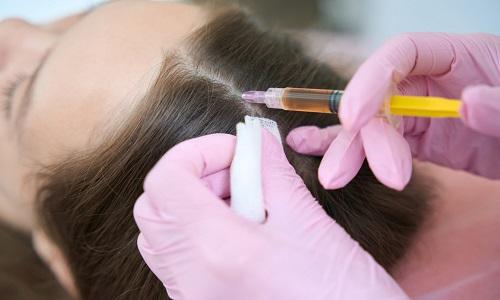
Hair restoration treatments have evolved significantly in recent years, offering individuals new ways to address hair thinning without surgery. One increasingly popular option is PRP Hair Treatment, a regenerative procedure that uses platelet-rich plasma from a patient’s own blood to stimulate hair follicles and support natural growth. While the treatment itself is relatively quick and minimally invasive, understanding the recovery process is essential for achieving the best results. Knowing what to expect after the procedure can help patients follow proper care routines and support the healing process of the scalp and hair follicles.
Understanding the Recovery Process:
Recovery after platelet therapy is generally simple compared to more invasive hair restoration procedures. Because the treatment involves small injections rather than surgical incisions, the scalp typically heals quickly. Most individuals are able to resume normal activities soon after their appointment. However, the scalp may still need a short period to adjust to the injections and begin responding to the growth factors present in the plasma. The recovery phase focuses on allowing the scalp to heal while the regenerative components begin stimulating follicle activity.
Immediate Effects After the Procedure:
Right after the session, the scalp may feel slightly sensitive due to the injection process. These effects are usually temporary and tend to fade within a short period. Patients are often able to leave the clinic and return to their daily routines shortly after the procedure.
Common immediate sensations may include:
-
Mild scalp tenderness or sensitivity
-
Slight redness around injection sites
-
Temporary swelling in treated areas
-
A feeling of tightness on the scalp
-
Minor pinpoint marks where injections were performed
These effects are generally mild and resolve naturally within a day or two.
The First 24 Hours After Treatment:
The first day following the procedure is an important period for scalp recovery. During this time, the scalp begins adjusting to the injections while the growth factors in the plasma start interacting with the surrounding tissue. Proper care during this stage helps protect the treated areas and allows the healing process to progress smoothly.
Patients are usually advised to:
-
Avoid washing the hair for a short time if recommended
-
Refrain from touching or scratching the scalp
-
Avoid heavy physical exercise
-
Stay away from direct sun exposure
-
Follow the aftercare instructions provided by the specialist
These precautions help ensure the treatment area remains clean and undisturbed.
Managing Mild Side Effects:
Although platelet therapy is generally well tolerated, some individuals may experience minor side effects as part of the recovery process. These effects are typically short-lived and improve quickly without requiring special medical care.
Possible mild side effects may include:
-
Temporary scalp soreness
-
Slight swelling in treated areas
-
Mild headaches after the session
-
Minor bruising around injection sites
-
A sensation of warmth on the scalp
Most of these symptoms gradually disappear within a few days as the scalp heals.
When Normal Hair Care Can Resume:
Many individuals wonder when they can return to their usual hair care routines after treatment. In most cases, normal hair washing and styling can resume within a short period once the scalp has settled. However, gentle care is recommended to avoid irritation.
Patients are typically advised to:
-
Use mild shampoos and gentle hair products
-
Avoid harsh chemical treatments temporarily
-
Limit excessive heat styling tools
-
Brush or comb the hair carefully
-
Follow professional recommendations for scalp care
These practices help maintain scalp health during the early stages of recovery.
The Weeks Following the Procedure:
Hair restoration is a gradual process, and the weeks after the procedure are when the regenerative effects begin to develop. The growth factors in the platelet-rich plasma stimulate hair follicles and improve the scalp environment. During this stage, individuals may not immediately see new hair growth, but important biological changes are taking place within the follicles.
During this period, patients may notice:
-
Reduced hair shedding over time
-
Improved scalp health and circulation
-
Stronger existing hair strands
-
Early signs of hair thickening
-
Gradual activation of hair follicles
These changes usually occur slowly as the natural hair growth cycle progresses.
Long-Term Hair Growth Expectations:
The most noticeable improvements in hair growth typically occur several months after the treatment. Hair follicles require time to respond to the growth factors and transition into the active growth phase. As the follicles become healthier, new hair strands begin to emerge and existing strands may appear thicker.
Common long-term improvements include:
-
Increased hair density in thinning areas
-
Stronger and thicker hair strands
-
Healthier scalp conditions
-
Gradual regrowth of fine hair
-
Improved overall hair appearance
Because hair growth cycles take time, patience is essential when evaluating results.
Importance of Follow-Up Sessions:
For many individuals, a single treatment session is only the beginning of the hair restoration process. Follow-up sessions may be recommended to maintain follicle stimulation and support long-term results. These sessions provide additional growth factors that encourage continued hair regeneration.
A typical treatment plan may involve:
-
Multiple sessions spaced several weeks apart
-
Periodic maintenance treatments
-
Monitoring progress over time
-
Adjusting the treatment plan if needed
Consistency plays a key role in achieving optimal outcomes.
Supporting Recovery with Healthy Habits:
While regenerative treatments stimulate hair follicles, healthy lifestyle choices can enhance the recovery process and support long-term hair health. Proper nutrition and scalp care help create an environment where hair can grow more effectively.
Helpful habits during recovery include:
-
Eating a balanced diet rich in vitamins and proteins
-
Staying hydrated to support overall health
-
Managing stress levels
-
Avoiding smoking or harmful lifestyle habits
-
Maintaining a gentle hair care routine
Combining these habits with professional treatments can improve the overall effectiveness of hair restoration efforts.
Final Thoughts
Recovering from PRP Hair Treatment is typically quick and straightforward, making it an appealing option for individuals seeking minimally invasive hair restoration. While minor side effects such as mild redness or tenderness may occur initially, most people can return to normal activities soon after the procedure. Over time, the growth factors within the platelet-rich plasma stimulate hair follicles and encourage stronger, healthier hair growth. By following proper aftercare instructions and maintaining healthy lifestyle habits, individuals can support the recovery process and maximize the benefits of this regenerative hair treatment.
 Turkish
 English
 Arabic
 French
 Spanish
 Portuguese
 Deutsch
 Dutch
Dutch
 Italiano
 Russian
 Romaian
 Portuguese (Brazil)
 Greek
Greek