
Navigating the Technology: The Modern Translation Service Market Platform
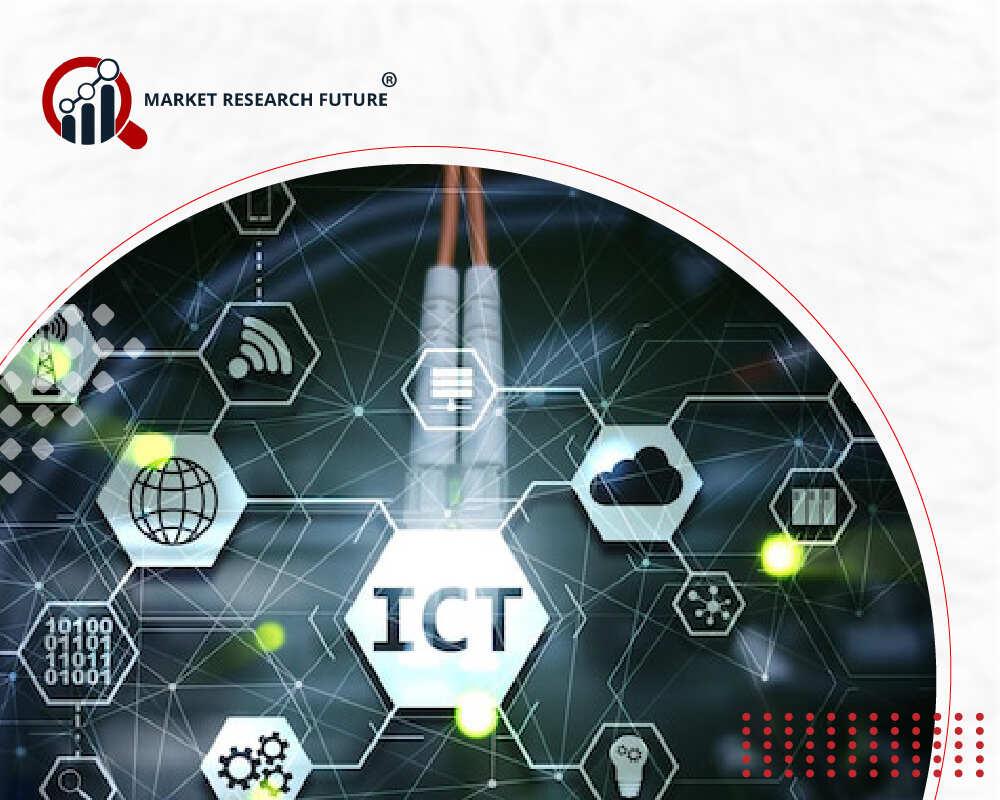
At the heart of any modern, efficient language service provider lies a sophisticated Translation Service Market Platform, more commonly known as a Translation Management System (TMS). This centralized, software-based platform acts as the command center for the entire translation lifecycle, from initial project creation and quoting to final delivery and invoicing. Its primary purpose is to automate administrative tasks, streamline complex workflows, and provide a collaborative environment for all stakeholders involved in a translation project, including project managers, translators, editors, and the end client. By integrating various linguistic technologies and project management functionalities into a single interface, a TMS transforms what was once a highly manual and fragmented process into a structured, efficient, and transparent operation. This technological backbone is what enables LSPs to handle an increasing volume and variety of translation requests with greater speed, consistency, and cost-effectiveness, making it an indispensable tool for competing in today's fast-paced global market and managing complex localization projects at scale. The adoption of cloud-based TMS platforms, in particular, has democratized access to these powerful tools, allowing even smaller agencies to leverage enterprise-grade technology.
The core components of a Translation Management System are designed to address the key challenges of the translation process. A central feature is workflow automation, which allows project managers to create predefined, multi-step workflows for different types of content. For example, a simple document might go through a "Translation-Edit-Proofread" (TEP) workflow, while a marketing piece might require an additional transcreation and client review step. The TMS automatically assigns tasks to the appropriate linguists, sends notifications, and moves the project from one stage to the next, significantly reducing manual overhead and the potential for human error. Another critical component is vendor management, which includes a database of all translators and editors, detailing their language pairs, specializations, rates, and performance history. This allows project managers to quickly find and assign the best-suited linguist for any given job. Financial management modules handle quoting, purchase order generation, and invoicing, providing complete visibility into project costs and profitability. Together, these features provide a comprehensive framework for managing the operational complexities of translation services efficiently and professionally.
Integrated directly within or connected to the TMS are the essential linguistic tools that form the translator's digital workbench, most notably Computer-Assisted Translation (CAT) tools. It is important not to confuse CAT with fully automated machine translation. A CAT tool is a software environment that aids a human translator by leveraging two key assets: Translation Memory (TM) and a Terminology Base (TB), also known as a termbase or glossary. The Translation Memory is a database that stores all previously translated sentences or segments. When a translator encounters a new sentence that is identical or similar to one that has been translated before, the CAT tool automatically suggests the previous translation, which the translator can then accept or modify. This ensures consistency across large projects and significantly speeds up the translation process. The Terminology Base is a project-specific glossary of key terms (such as brand names, product features, or technical jargon) and their approved translations. The CAT tool automatically flags these terms and provides their correct translation, ensuring that critical terminology is used consistently throughout all content, thereby enhancing quality and brand integrity.
The latest evolution in translation platforms is their shift to the cloud and their ability to integrate seamlessly with other business systems via Application Programming Interfaces (APIs). Cloud-based TMS platforms, offered as Software-as-a-Service (SaaS), eliminate the need for expensive on-premises hardware and software installation, making them highly scalable, accessible from anywhere, and always up-to-date. This model has been a game-changer for collaboration, allowing clients, project managers, and translators scattered across the globe to work together in real-time on a single platform. The most powerful feature of modern platforms, however, is their use of APIs to connect directly to clients' content repositories. For example, a TMS can integrate with a Content Management System (CMS) like WordPress or Adobe Experience Manager. When new content is published on a website, it can be automatically pushed to the TMS for translation and then, once completed, automatically pulled back and published on the multilingual versions of the site. This "continuous localization" workflow eliminates the cumbersome process of manually exporting and importing files, dramatically accelerating the speed of multilingual content delivery and making translation an integral part of the digital content lifecycle.
Explore Our Latest Trending Reports!
Video Conference Systems Market
Video Production Equipment Market
 French
 English
 Arabic
 Spanish
 Portuguese
 Deutsch
 Turkish
 Dutch
Dutch
 Italiano
 Russian
 Romaian
 Portuguese (Brazil)
 Greek
Greek