

PRP Hair Treatment vs PRP: Understanding the Hair-Focused Difference
Platelet-Rich Plasma (PRP) therapy has exploded in popularity across dermatology, orthopedics, and aesthetics. Extracted from your own blood, PRP harnesses concentrated platelets packed with growth factors to accelerate healing. prp treatment riyadh Doctors spin blood in a centrifuge to isolate this golden plasma, then inject it into targeted areas. It's minimally invasive, using your body's natural resources—no chemicals or synthetics involved. Imagine jump-starting your cells' repair mode; that's PRP in action. From joint pain relief to skin rejuvenation, its versatility draws patients worldwide seeking natural recovery.
PRP Hair Treatment in Riyadh Demystified
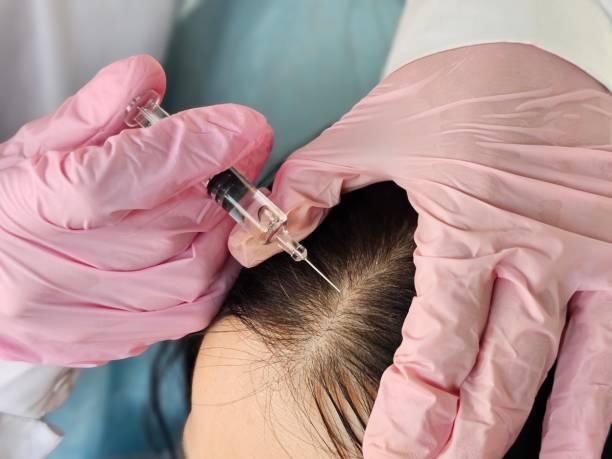
Now, enter the hair-specific star: PRP Hair Treatment in Riyadh. This specialized application zeros in on scalp health, tackling hair loss head-on. Unlike general PRP, it targets dormant follicles, stimulating regrowth through precise scalp injections. Sessions involve drawing blood, processing it for maximum platelet density, and injecting into thinning zones. Patients rave about thicker strands and reduced shedding after a few rounds. PRP Hair Treatment in Riyadh stands out for its tailored approach in a city buzzing with advanced wellness trends, making it a go-to for those battling baldness.
PRP Hair Treatment vs General PRP: Core Differences
At first glance, both sound identical—after all, they're both PRP. But dive deeper, and the hair-focused version shines distinctly. General PRP treats broad issues like tendon injuries or facial wrinkles, with variable platelet concentrations suited to those needs. PRP Hair Treatment in Riyadh, however, amps up specificity: higher growth factor doses for follicles, micronized injections for even scalp coverage, and protocols optimized for hair cycles (anagen, catagen, telogen). General PRP might need 3-5 ml per session; hair versions demand 4-6 ml with added activators for prolonged follicle stimulation. It's like comparing a Swiss Army knife to a precision scalpel—both sharp, but one carves hairlines masterfully.
How PRP Hair Treatment Works on Your Scalp
Picture your scalp as a garden: follicles are seeds needing nourishment. PRP Hair Treatment in Riyadh delivers that via growth factors like PDGF and VEGF, which boost blood supply, prolong growth phases, and awaken sleepy follicles. During treatment, numbing cream preps the scalp, followed by micro-injections—think tiny rain showers reviving parched soil. Multiple sessions (usually 3-4 spaced monthly) build momentum, with maintenance every 6 months. Studies show up to 30% density increase in responsive patients. Engaging twist: many notice baby hairs sprouting by week 4, turning skeptics into believers.
Benefits of PRP Hair Treatment Over Standard PRP
Why choose hair-specific? Scalp biology demands it. General PRP excels in wounds but lacks the follicle-nurturing punch. PRP Hair Treatment edges ahead with thicker hair shafts, minimized breakage, and inflammation reduction—key for conditions like androgenetic alopecia. It's non-surgical, downtime-free (mild redness fades fast), and autologous, slashing allergy risks. Users report confidence boosts from fuller crowns, especially in social hubs like Riyadh. Bonus: it pairs seamlessly with minoxidil or low-level lasers for amplified results, outpacing solo general PRP for aesthetic goals.
Ideal Candidates and Realistic Expectations
Not everyone fits the bill. PRP Hair Treatment thrives for early-stage thinning, pattern baldness, or post-stress shedding—ages 20-50 often respond best. If you've got full-blown scarring alopecia or zero donor follicles, alternatives like transplants might suit better. Expectations? Patience pays: visible thickening in 3-6 months, peak at year one. Factors like age, genetics, and lifestyle influence outcomes—smokers or stressed folks may need extras. Track progress with photos; it's motivating to see evolution from sparse to lush.
The PRP Hair Treatment Procedure Step-by-Step
Ready for the play-by-play? Step 1: Consultation assesses your scalp via trichoscopy. Step 2: Blood draw (just 20-60 ml). Step 3: Centrifugation yields pure PRP. Step 4: Scalp mapping for precision shots. Step 5: Post-care with gentle shampoos. Each 45-60 minute session feels like a upscale spa visit with real results. Riyadh clinics streamline this for busy pros, blending tech with comfort.
Potential Side Effects and Aftercare Tips
Safety first: PRP Hair Treatment is low-risk since it's your blood. Temporary soreness, swelling, or scabbing hits 10-20% of users, resolving in days. Rare infections? Avoided with sterile protocols. Aftercare keeps it simple—skip saunas, hats, or dyes for 48 hours; use silk pillowcases for friction-free nights. Hydrate, eat protein-rich foods, and manage stress to supercharge healing. Most resume normal life immediately, flaunting that fresh glow.
Why PRP Hair Treatment is Gaining Traction in Riyadh
Riyadh's wellness scene loves innovation, and PRP Hair Treatment fits perfectly—quick, effective, culturally resonant. With rising alopecia awareness, it's empowering professionals and families alike. Compared to pills with systemic side effects, it's localized magic.
Ready to explore? Book an appointment consultation clinic like 'Enfield Royal Riyadh' for personalized advice.
FAQs
What Makes PRP Hair Treatment Different from General PRP?
Hair-specific PRP uses optimized concentrations and techniques for follicles, unlike general PRP's broader healing focus—delivering targeted regrowth.
How Many Sessions of PRP Hair Treatment Do I Need?
Typically 3-4 initial sessions monthly, then maintenance—results vary by hair loss stage for sustained thickness.
When Will I See Results from PRP Hair Treatment?
Baby hairs emerge in 4-6 weeks; full density by 3-6 months with consistent follow-ups.
Is PRP Hair Treatment Safe for All Hair Types?
Yes, it's autologous and versatile for straight, curly, or ethnic hair types, with minimal risks.
Can PRP Hair Treatment Stop Hair Loss Permanently?
It halts progression and promotes growth in 70-80% of cases but requires maintenance for lifelong benefits.
 Spanish
 English
 Arabic
 French
 Portuguese
 Deutsch
 Turkish
 Dutch
Dutch
 Italiano
 Russian
 Romaian
 Portuguese (Brazil)
 Greek
Greek