


The Digital Backbone: A Comprehensive Overview of the Global ERP Software Industry
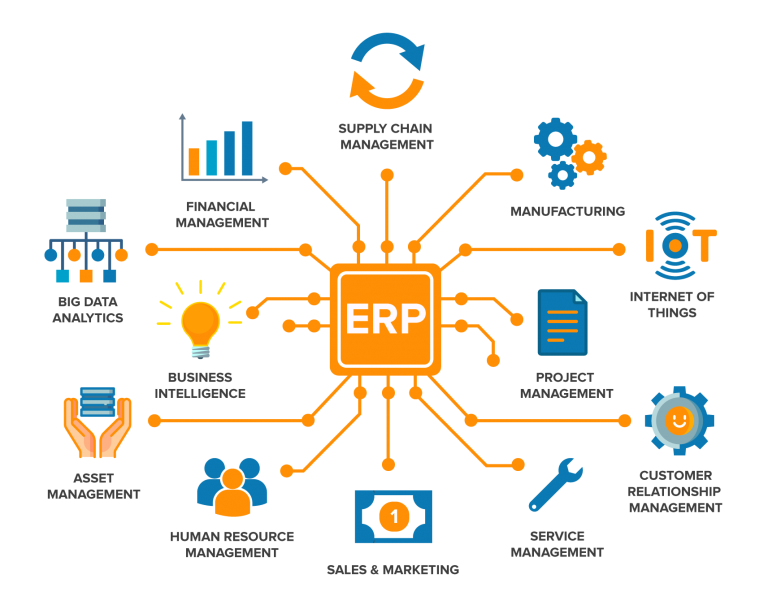
The Enterprise Resource Planning (ERP) software industry serves as the central nervous system for modern organizations, providing a unified suite of applications to manage and integrate core business processes in real-time. This technology moves beyond siloed departmental software to create a single source of truth, breaking down barriers between finance, human resources, manufacturing, and the supply chain. A detailed overview of the global Erp Software industry reveals a landscape dominated by a few major players and a host of specialized vendors, all aiming to deliver operational efficiency, data-driven insights, and business agility. Historically, these massive systems were the exclusive domain of large corporations with the resources to manage complex on-premise implementations. However, the seismic shift to cloud computing has democratized access to ERP, enabling small and medium-sized businesses to leverage the same powerful tools. This evolution has transformed ERP from a rigid system of record into a dynamic, intelligent platform that is indispensable for navigating the complexities of the global economy, managing resources effectively, and maintaining a competitive edge in a digital-first world.
At its core, an ERP system is built on a modular architecture, with each module dedicated to a specific business function. The Financial Management module is typically the heart of the system, handling critical processes like the general ledger, accounts payable and receivable, budgeting, and financial reporting. The Human Capital Management (HCM) or HR module manages the entire employee lifecycle, from recruitment and onboarding to payroll, benefits administration, and performance management. For manufacturing and distribution companies, the Supply Chain Management (SCM) module is vital, providing capabilities for inventory management, procurement, order processing, warehouse management, and logistics. Other common modules include Manufacturing, which manages production planning and shop floor control; Project Management for service-based organizations; and often, Customer Relationship Management (CRM) for managing sales and customer interactions. The true power of ERP lies in the seamless integration of these modules, allowing, for example, a sales order to automatically trigger a production order, update inventory levels, and generate an invoice without manual intervention, creating a streamlined flow of information across the entire enterprise.
The deployment model for ERP software has undergone a fundamental and industry-defining transformation. The traditional on-premise model required a company to purchase perpetual software licenses and run the software on its own servers in its own data center. This approach offered a high degree of control and customization but came with enormous upfront costs, long implementation cycles, and the significant ongoing burden of maintenance, upgrades, and security. The advent of cloud computing has led to the dominance of the Software-as-a-Service (SaaS) model. In a cloud ERP deployment, the software is hosted by the vendor and accessed by the customer over the internet for a recurring subscription fee. This eliminates the need for on-premise hardware, shifts the cost from a capital expenditure (CapEx) to an operational expenditure (OpEx), and ensures that the system is always running on the latest, most secure version. A third option, the hybrid model, combines both, allowing companies to keep certain sensitive data or legacy systems on-premise while leveraging the cloud for other, more modern applications, offering a bridge between the old and the new.
The ecosystem surrounding the ERP software industry is a vast and critical component of its success. It extends far beyond the software vendors themselves. A crucial role is played by a global network of implementation partners, systems integrators, and consulting firms. These partners, ranging from global giants like Accenture, Deloitte, and Capgemini to smaller, specialized boutiques, provide the essential expertise needed to plan, customize, and deploy these complex systems. They manage the intricate process of data migration, process re-engineering, and user training, ensuring that the massive technology investment translates into real business value. Another vital part of the ecosystem is the network of Independent Software Vendors (ISVs) who build add-on applications and specialized modules that extend the functionality of the core ERP platform, often catering to niche industry requirements. This rich ecosystem of partners and third-party developers is essential for tailoring a standardized ERP platform to the unique and complex needs of individual businesses across diverse industries.
Explore Our Latest Trending Reports:
 Italiano
 English
 Arabic
 French
 Spanish
 Portuguese
 Deutsch
 Turkish
 Dutch
Dutch
 Russian
 Romaian
 Portuguese (Brazil)
 Greek
Greek